
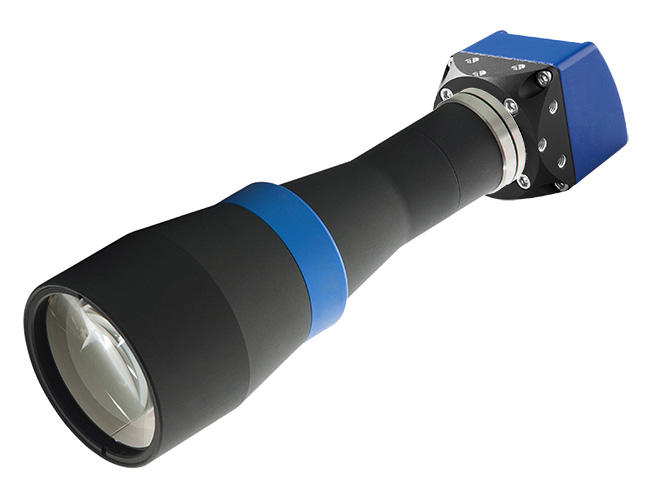

Smart Camera Integration
SMART CAMERA OVERVIEW
Smart camera integration involves the use of advanced image processing and computer vision algorithms to enable cameras to perform complex tasks beyond simple image capture. These tasks can include object detection, tracking, recognition, and classification, as well as other automated analysis and decision-making capabilities.
The integration of smart cameras into various applications and industries can bring significant benefits, such as improved safety and security, enhanced efficiency and productivity, and cost savings through automation.
Some examples of smart camera integration include:
1
Surveillance and security
Smart cameras can be integrated into security systems to detect and track intruders, recognize faces, and identify suspicious behavior.
2
Manufacturing and quality control
Smart cameras can be used to inspect products for defects, monitor production lines, and track inventory.
3
Transportation and logistics
Smart cameras can be used to monitor traffic flow, detect accidents, and track shipments.
4
Healthcare
Smart cameras can be used for patient monitoring, fall detection, and medication management.
To integrate smart cameras into these and other applications, advanced image processing and computer vision algorithms must be developed and optimized for specific use cases. This can involve training machine learning models on large datasets, developing algorithms to process and analyze images in real-time, and integrating cameras with other systems and sensors.
Overall, smart camera integration is an exciting area of development with the potential to revolutionize many industries by enabling advanced automation and analysis capabilities.
Automated Optical Inspection (AOI) is a critical process in many industries, including electronics, automotive, and medical devices. AOI involves using advanced image processing and computer vision algorithms to inspect products for defects and other quality issues.
The machine vision systems using smart cameras, that are designed for industrial applications. The smart cameras integrate advanced image processing and computer vision algorithms into a single compact device, making them ideal for applications where space and cost are important considerations.
The smart cameras are used in a variety of industries, including automotive, electronics, food and beverage, and pharmaceuticals. Some examples of the smart camera integration include:
- Quality inspection: The smart cameras can be used to inspect products for defects, such as scratches, dents, or misalignments. The cameras can also be programmed to detect missing components, incorrect colors, or other quality issues.
- Barcode reading: The smart cameras can be used to read barcodes and other types of codes on products, packages, and labels. The cameras can read codes even if they are damaged, distorted, or partially obscured.
- Assembly verification: The smart cameras can be used to verify that components are properly assembled and aligned. The cameras can also detect missing or incorrect parts and provide real-time feedback to operators.
- Robotics guidance: The smart cameras can be used to guide robots during assembly, pick-and-place, or other tasks. The cameras can provide real-time feedback on the position and orientation of parts, enabling robots to perform precise and accurate movements.
The smart cameras are typically programmed using special software, which provides a user-friendly interface for configuring camera settings and developing custom image processing algorithms. The cameras can also be integrated with other systems, such as programmable logic controllers (PLCs), to enable automated decision-making and control.
Overall, the smart camera integration is a powerful tool for improving quality, efficiency, and productivity in industrial applications.
FEATURED LENTIS TECHNOLOGIES PRODUCTS
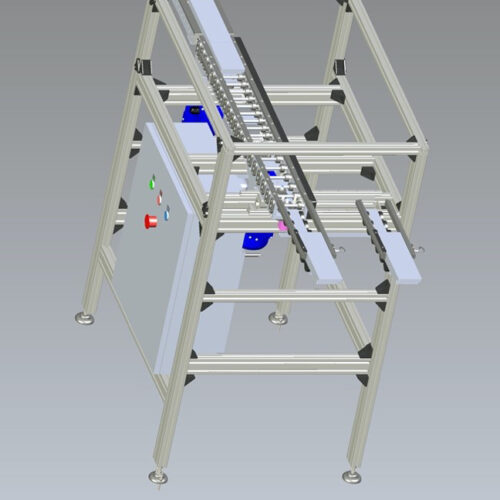
TRANSPORT SYSTEMS
Every assembly line requires means for transfer of products/parts from one station to another.
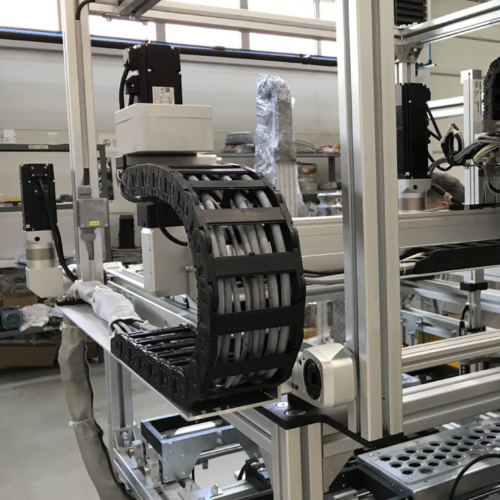
PICK & PLACE OPERATIONS
A prominent example for pick and place automation is the removal of NOK products from an assembly line.
VISION AUTOMATION
Vision-powered automation refers to the use of advanced image processing and computer vision technology to automate industrial processes.
SMART CAMERA INTEGRATION
Smart and flexible way to deploy machine vision in your business.
TRANSPORT SYSTEMS
PICK & PLACE OPERATIONS

VISION POWERED AUTOMATION
