

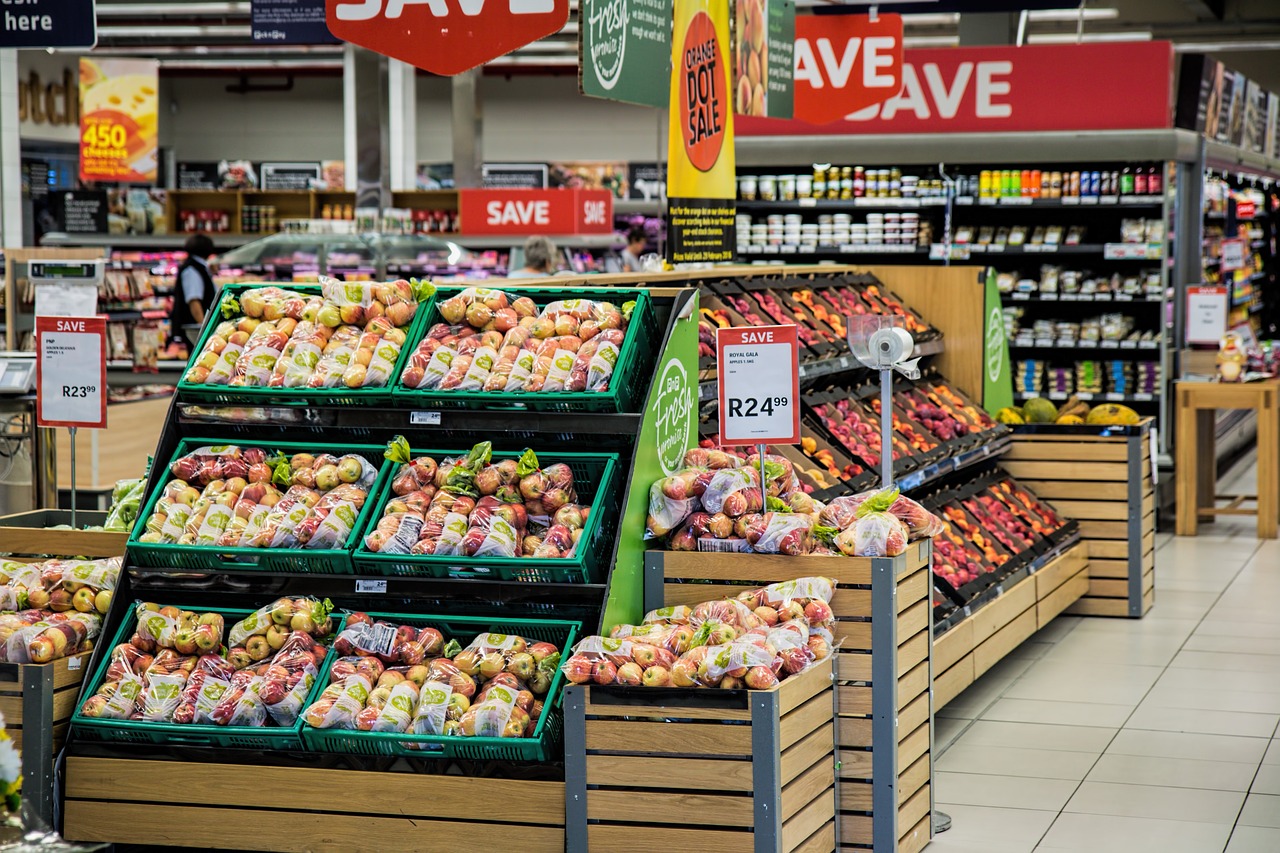
The industry, which is closest to the end customers in terms of daily interactions and impact of changing user behavior is the retail industry. The digital transformation which completely changed customer behavior has directly impacted the retail business as well and now automation in retail is becoming a critical need. However, many retailers are still in the early stages of digital adoption, digital service delivery and automation. Main areas, which change with digitalization are customer communication, new customers attraction, product advertising and payments. The main driver of this change are mobile devices, which become more and more the preferred way of searching and buying different products. Hybrid behavior is also visible - in-store, via mobile, online or a combination, it all depends on the type of products and customer preferences. Of course, digitalization brings improvement opportunities - retailers have now the possibility to understand their customers better, based on their buying behavior and to make personalized offers to them on their preferred channel, so that the entire purchasing experience can be tailored specifically to each individual customer.
Retailers will gain competitive advantage if they analyze and understand customers' shopping habits, browsing behavior and lifestyle. Automation in retail focuses exactly on these processes and allows customers to get information and compare products and prices from anywhere: Newsletters, promotions and sales are available on paper and on the internet. Therefore, it is important for companies to consider the data, configurations or settings stored in one channel and transfer it correctly to other channels (omni-channel approach). Great example for this system are the e-commerce platforms, where advanced analytics tools analyze the data in continuous synchronization for all users.
The internet era and its “always-on” character has also changed customers' requirements for product delivery. If previously one had to wait for weeks for specific goods, today the delivery time is expected to be as short as possible. The market pressure in the retail sector is increasing and deliveries are becoming faster to differentiate among competitors. To meet these demands, retail companies need modern warehouse facilities and automated logistics processes. The trends in modern logistics are automation and optimization of material flows, utilization of resources and high reliability and quality of deliveries.