
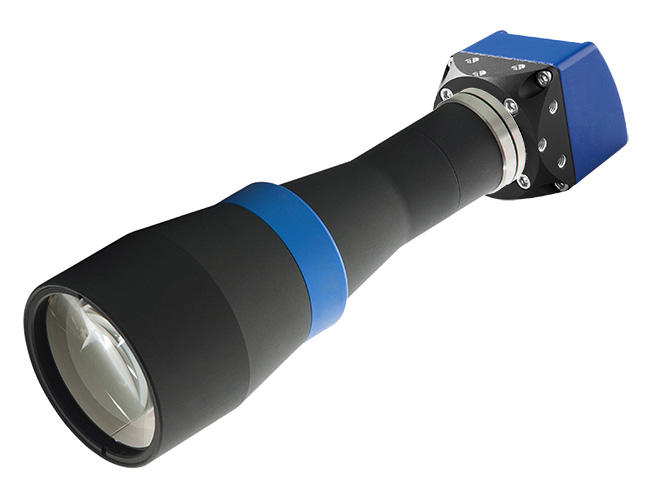

Vision-powered automation
SOLUTIONS OVERVIEW
Vision-powered automation refers to the use of computer vision technology to automate various processes and tasks in industrial, manufacturing, and other environments. This technology leverages algorithms, cameras, and other hardware components to capture, process, and analyze visual data in real-time, providing a means of automating tasks that would normally require human intervention.
Examples of applications for vision-powered automation include:
1
Quality control
Automating the process of inspecting products for defects, deviations, or other issues using computer vision technology.
2
Pick and place tasks
Automating the process of identifying and picking up objects and placing them in the correct position using robotic arms and computer vision technology.
3
Sorting and classification
Automating the process of sorting and classifying objects based on their visual characteristics, such as size, shape, or color.
4
Guiding robots and autonomous vehicles
Providing real-time navigation and obstacle avoidance for robots and autonomous vehicles using computer vision technology.
5
Monitoring and surveillance
Automating the process of monitoring and surveillance in industrial and other environments using computer vision technology to detect and respond to events.
Vision-powered automation has the potential to significantly improve efficiency, reduce costs, and increase productivity in a wide range of industries and applications. It also enables organizations to perform tasks faster, more accurately, and with greater consistency than they would be able to with human operators alone.
2D quality inspection with AI refers to the use of artificial intelligence (AI) technologies to automate the process of inspecting the quality of 2D objects, such as images, plans, or drawings. The aim of 2D quality inspection with AI is to improve the speed, accuracy, and consistency of quality inspections, compared to manual inspections.
AI-based 2D quality inspection can be used in a variety of industries, including manufacturing, construction, and aerospace. The technology uses machine learning algorithms to analyze images and detect defects, such as missing parts, deviations from specifications, or irregular shapes.
The benefits of using AI for 2D quality inspection include:
- Increased efficiency: AI-based 2D quality inspection can process images much faster than manual inspection, reducing the time required for quality control and increasing productivity.
- Improved accuracy: AI algorithms can detect defects with higher accuracy and consistency than human inspectors, reducing the risk of errors and improving the overall quality of the inspection process.
- Reduced costs: By automating the inspection process, AI-based 2D quality inspection can reduce the costs associated with manual inspections, such as labor costs, and increase efficiency.
- Scalability: AI-based 2D quality inspection can be easily scaled to accommodate large volumes of images and data, making it ideal for high-volume inspection applications.
Overall, 2D quality inspection with AI can provide significant benefits for businesses looking to improve the speed, accuracy, and consistency of their quality control processes.
3D quality inspection with AI refers to the use of artificial intelligence (AI) technologies to automate the process of inspecting the quality of 3D objects, such as parts, assemblies, or products. The aim of 3D quality inspection with AI is to improve the speed, accuracy, and consistency of quality inspections, compared to manual inspections.
AI-based 3D quality inspection can be used in a variety of industries, including manufacturing, construction, and aerospace. The technology uses machine learning algorithms to analyze 3D models and detect defects, such as deviations from specifications, misalignments, or irregular shapes.
The benefits of using AI for 3D quality inspection include:
- Increased efficiency: AI-based 3D quality inspection can process models much faster than manual inspection, reducing the time required for quality control and increasing productivity.
- Improved accuracy: AI algorithms can detect defects with higher accuracy and consistency than human inspectors, reducing the risk of errors and improving the overall quality of the inspection process.
- Reduced costs: By automating the inspection process, AI-based 3D quality inspection can reduce the costs associated with manual inspections, such as labor costs, and increase efficiency.
- Scalability: AI-based 3D quality inspection can be easily scaled to accommodate large volumes of models and data, making it ideal for high-volume inspection applications.
- Non-destructive inspection: Unlike manual inspections that often require disassembling parts to inspect them, AI-based 3D quality inspection can be performed without causing any damage to the parts, making it suitable for inspecting critical components.
Overall, 3D quality inspection with AI can provide significant benefits for businesses looking to improve the speed, accuracy, and consistency of their quality control processes.
FEATURED LENTIS TECHNOLOGIES PRODUCTS
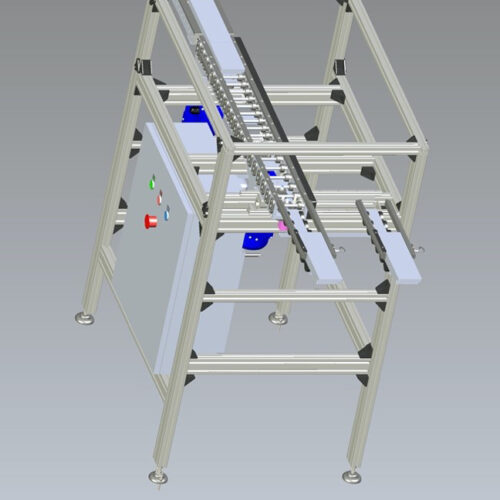
TRANSPORT SYSTEMS
Every assembly line requires means for transfer of products/parts from one station to another.
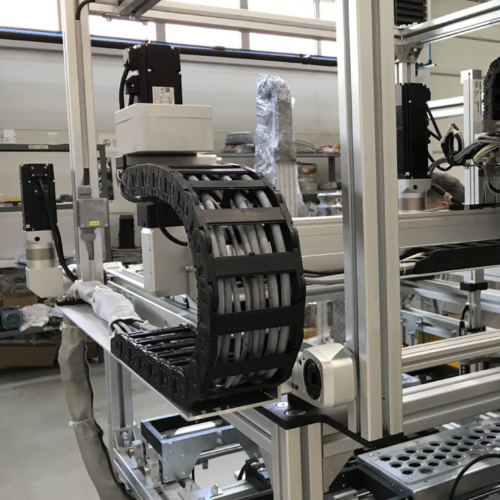
PICK & PLACE OPERATIONS
A prominent example for pick and place automation is the removal of NOK products from an assembly line.
VISION AUTOMATION
Vision-powered automation refers to the use of advanced image processing and computer vision technology to automate industrial processes.
SMART CAMERA INTEGRATION
Smart and flexible way to deploy machine vision in your business.
TRANSPORT SYSTEMS
PICK & PLACE OPERATIONS

VISION POWERED AUTOMATION
