
АВТОМАТИЗАЦИЯ С КОМПЮТЪРНО ЗРЕНИЕ
Home » Автоматизация с машинно зрение
ПРЕГЛЕД НА РЕШЕНИЯТА
Автоматизацията с компютърно зрение представлява използването на технологията на компютърното зрение за автоматизация на различни процеси и действия в индустриална, производствена или друга среда. Тази технология използва софтуерни алгоритми с изкуствен интелект, индустриални камери и други хардуерни компоненти, за да записва, обработва и анализира визуални данни в реално време, така че да бъде възможна автоматизацията на задачи и процеси, които в общия случай биха изисквали човешка намеса.
Примерите за автоматизация с компютърно зрение включват:
1
ВИЗУАЛЕН КАЧЕСТВЕН КОНТРОЛ
Автоматизация на процесите по визуален качествен контрол за дефекти, отклонения или други козметични несъответсвия с компютърно зрение.
2
ИДЕНТИФИКАЦИЯ НА ИЗДЕЛИЯ И ПРАВИЛНО ЗАХВАЩАНЕ
Автоматизация на процесите по идентификация и захващане на изделия и тяхното позициониране използвайки роботи и компютърно зрение.
3
СОРТИРАНЕ И КЛАСИФИКАЦИЯ
Автоматизация на процесите по сортиране и класифициране на изделия от група изделия спрямо визуални характеристики като размер, форма, цвят.
4
НАВИГИРАНЕ НА РОБОТИ И АВТОНОМНИ МАШИНИ
Реализация на навигация и избягване на препятствия за роботи и автономни машини посредством технологията на компютърното зрение.
5
МОНИТОРИНГ И ВИДЕО НАБЛЮДЕНИЕ
Автоматизация на процесите по мониторинг и видео наблюдение в индустриална страна, за детекция на дадени събития и съответна реакция
Автоматизацията с компютърно зрение представлява атрактивна възможност за повишаване на ефективността, намаляване на разходите и повишаване на продуктивността в различни индустрии и технически решения. Тази дисциплина също така позволява на една организация да извършва специфични дейности по-бързо, по-точно и с по голяма повтаряемост, така че служителите да бъдат фокусирани в правилната посока.
2D quality inspection with AI refers to the use of artificial intelligence (AI) technologies to automate the process of inspecting the quality of 2D objects, such as images, plans, or drawings. The aim of 2D quality inspection with AI is to improve the speed, accuracy, and consistency of quality inspections, compared to manual inspections.
AI-based 2D quality inspection can be used in a variety of industries, including manufacturing, construction, and aerospace. The technology uses machine learning algorithms to analyze images and detect defects, such as missing parts, deviations from specifications, or irregular shapes.
The benefits of using AI for 2D quality inspection include:
- Increased efficiency: AI-based 2D quality inspection can process images much faster than manual inspection, reducing the time required for quality control and increasing productivity.
- Improved accuracy: AI algorithms can detect defects with higher accuracy and consistency than human inspectors, reducing the risk of errors and improving the overall quality of the inspection process.
- Reduced costs: By automating the inspection process, AI-based 2D quality inspection can reduce the costs associated with manual inspections, such as labor costs, and increase efficiency.
- Scalability: AI-based 2D quality inspection can be easily scaled to accommodate large volumes of images and data, making it ideal for high-volume inspection applications.
Overall, 2D quality inspection with AI can provide significant benefits for businesses looking to improve the speed, accuracy, and consistency of their quality control processes.
3D quality inspection with AI refers to the use of artificial intelligence (AI) technologies to automate the process of inspecting the quality of 3D objects, such as parts, assemblies, or products. The aim of 3D quality inspection with AI is to improve the speed, accuracy, and consistency of quality inspections, compared to manual inspections.
AI-based 3D quality inspection can be used in a variety of industries, including manufacturing, construction, and aerospace. The technology uses machine learning algorithms to analyze 3D models and detect defects, such as deviations from specifications, misalignments, or irregular shapes.
The benefits of using AI for 3D quality inspection include:
- Increased efficiency: AI-based 3D quality inspection can process models much faster than manual inspection, reducing the time required for quality control and increasing productivity.
- Improved accuracy: AI algorithms can detect defects with higher accuracy and consistency than human inspectors, reducing the risk of errors and improving the overall quality of the inspection process.
- Reduced costs: By automating the inspection process, AI-based 3D quality inspection can reduce the costs associated with manual inspections, such as labor costs, and increase efficiency.
- Scalability: AI-based 3D quality inspection can be easily scaled to accommodate large volumes of models and data, making it ideal for high-volume inspection applications.
- Non-destructive inspection: Unlike manual inspections that often require disassembling parts to inspect them, AI-based 3D quality inspection can be performed without causing any damage to the parts, making it suitable for inspecting critical components.
Overall, 3D quality inspection with AI can provide significant benefits for businesses looking to improve the speed, accuracy, and consistency of their quality control processes.
ПРОДУКТИ НА LENTIS TECHNOLOGIES
TRANSPORT SYSTEMS
Every assembly line requires means for transfer of products/parts from one station to another.
PICK & PLACE OPERATIONS
A prominent example for pick and place automation is the removal of NOK products from an assembly line.
VISION AUTOMATION
Vision-powered automation refers to the use of advanced image processing and computer vision technology to automate industrial processes.
SMART CAMERA INTEGRATION
Smart and flexible way to deploy machine vision in your business.
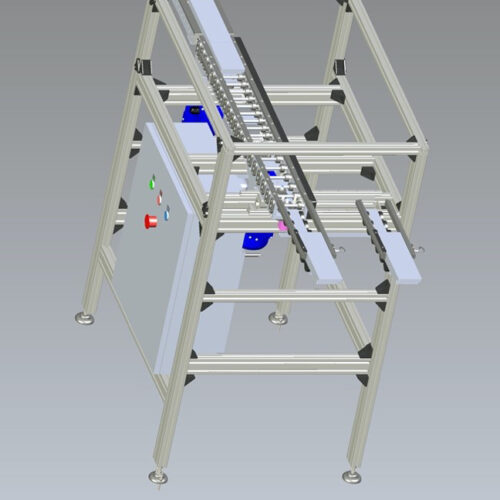
TRANSPORT SYSTEMS
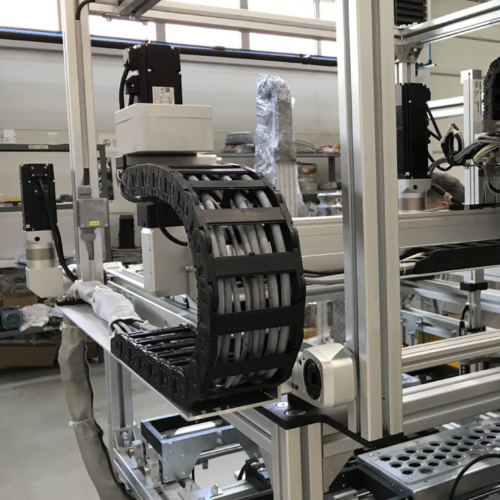
PICK & PLACE OPERATIONS

VISION POWERED AUTOMATION
